Blessed to Be a Welder
A Design for the Shop Floor and the Heart
As a designer who's stitched countless projects from custom apparel to handmade gifts, I've seen many embroidery designs come and go. Blessed to Be a Welder is one that stands out—not just for its subject matter, but for how it feels in the hands of a creator and on the fabric of a finished product.
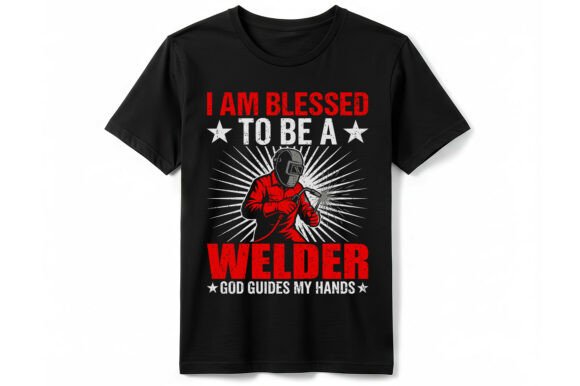
The first thing that strikes me about Blessed to Be a Welder is its mood. It’s not just a design; it’s a statement. The image of a welder at work, surrounded by tools and sparks, conveys strength, dedication, and pride. This is a design that speaks to those who labor with their hands, who find purpose in craft and creation. It’s the kind of imagery that resonates with both the wearer and the maker.
Where Does It Belong?
Blessed to Be a Welder isn’t just for t-shirts—it has the potential to be a versatile design for multiple applications. Think about a custom apparel project like a sweatshirt or a tote bag. The bold lines and strong visual elements make it ideal for larger formats. But don’t overlook smaller items either. A personalized gift like an embroidered patch or a handmade product such as a baby onesie could also benefit from this design.
Consider a commercial embroidery project, like a boutique branding piece or an Etsy listing. The design’s visual personality fits well with a range of styles—whether you're aiming for a rugged industrial look or a more refined aesthetic. It’s adaptable, which makes it valuable for a variety of markets.
Real-World Performance
When testing Blessed to Be a Welder in real-life scenarios, a few things become clear. The layout is clean, with enough space between elements to avoid overcrowding. However, the detail level can be intense, especially in areas like the welder’s face and tools. This means that stitch density and thread color contrast are critical factors in ensuring clarity.
For example, if you’re planning to use this design on a dark fabric, you’ll want to ensure that your thread colors stand out. Similarly, on textured fabrics like denim or canvas, the design may require additional stabilizer to maintain shape and prevent distortion. Testing on scrap fabric before committing to a final project is always a good idea, especially when working with complex details.
Design Considerations
Blessed to Be a Welder is not without its challenges. The intricate details, such as the welder’s face and the sparks, can be difficult to stitch cleanly, particularly in small hoop sizes. If you're working on a small shop product or a printable mockup, consider how these elements will translate into a finished product. For instance, using a digital embroidery file with high stitch density can help preserve detail, but it’s essential to review the file carefully before use.
Another consideration is fabric type. While the design works well on most materials, it may not perform as well on thin or stretchy fabric. In such cases, proper stabilizer placement and hoop size selection are crucial. If you're creating a holiday embroidery item like a pillow cover or a kitchen towel, make sure the design doesn’t get lost in the background.
Visual Appeal and Branding
The visual appeal of Blessed to Be a Welder is undeniable. It has a strong presence that can elevate a handmade product or a personalized gift into something truly special. However, this power also comes with responsibility. The design needs to be used thoughtfully to maintain its impact.
From a brand perspective, this design can be a powerful tool for craft business owners looking to build a cohesive identity. Whether you're creating custom apparel or small shop products, consistency in design choices helps reinforce brand recognition. But remember, the right application is key. Don’t force the design into contexts where it doesn’t fit naturally.
Practical Designer Notes
Before using Blessed to Be a Welder in any project, take the time to evaluate a few key factors:
- Test the design on scrap fabric to see how it looks and performs in real conditions.
- Check thread color contrast against different fabric backgrounds, including light and dark options.
- Review stitch density to ensure clarity and avoid over-stitching.
- Confirm hoop size based on the design’s complexity and the intended product.
- Inspect small details like tiny lettering or decorative accents for clarity.
- Use proper stabilizer to maintain shape and prevent puckering.
- Test in black and white mockups to assess overall composition.
- Compare light and dark fabric backgrounds to determine the best presentation.
- Ensure licensing is confirmed if you plan to sell finished items or digital products.
By following these steps, you can maximize the value of Blessed to Be a Welder and ensure that it delivers the quality and professionalism your customers expect.
Final Thoughts
Blessed to Be a Welder is more than just a design—it’s a reflection of craftsmanship and character. When used thoughtfully, it can enhance both the visual appeal and customer trust of your handmade product or personalized gift. Whether you're creating a custom apparel item or a commercial embroidery asset, this design offers versatility and depth that can elevate your work.
Remember, the goal is not just to stitch a design—but to create something meaningful. With the right approach, Blessed to Be a Welder can be a standout addition to your design assets and finished product lineup.